AtEaseCookz & Musical Bingo
October 15@ 5:30 pm—9:00 pm

©Sarah Morreim Photography
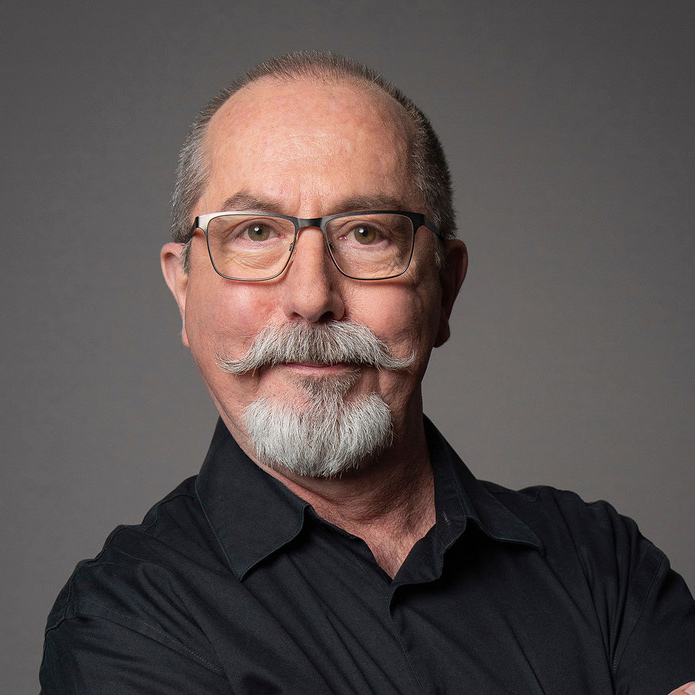
Chris Grey has been making images for a living since he was 15. Fifty-plus years later, he has settled into Oro Valley, taken over a corner of the SAAG Gallery, and turned his attention to the work he says he was always meant to do. Not photographs exactly. Something stranger and more interesting than that.
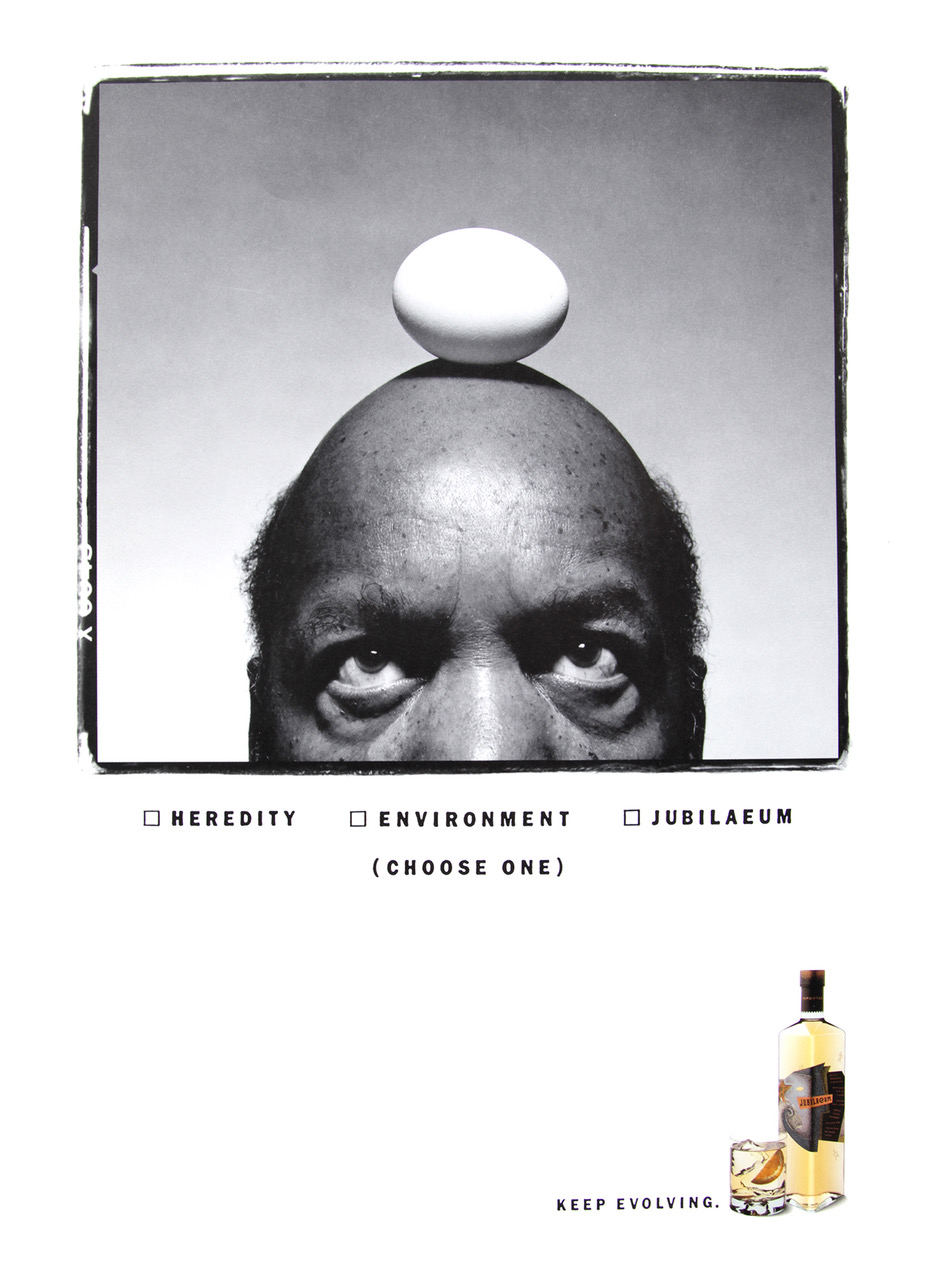
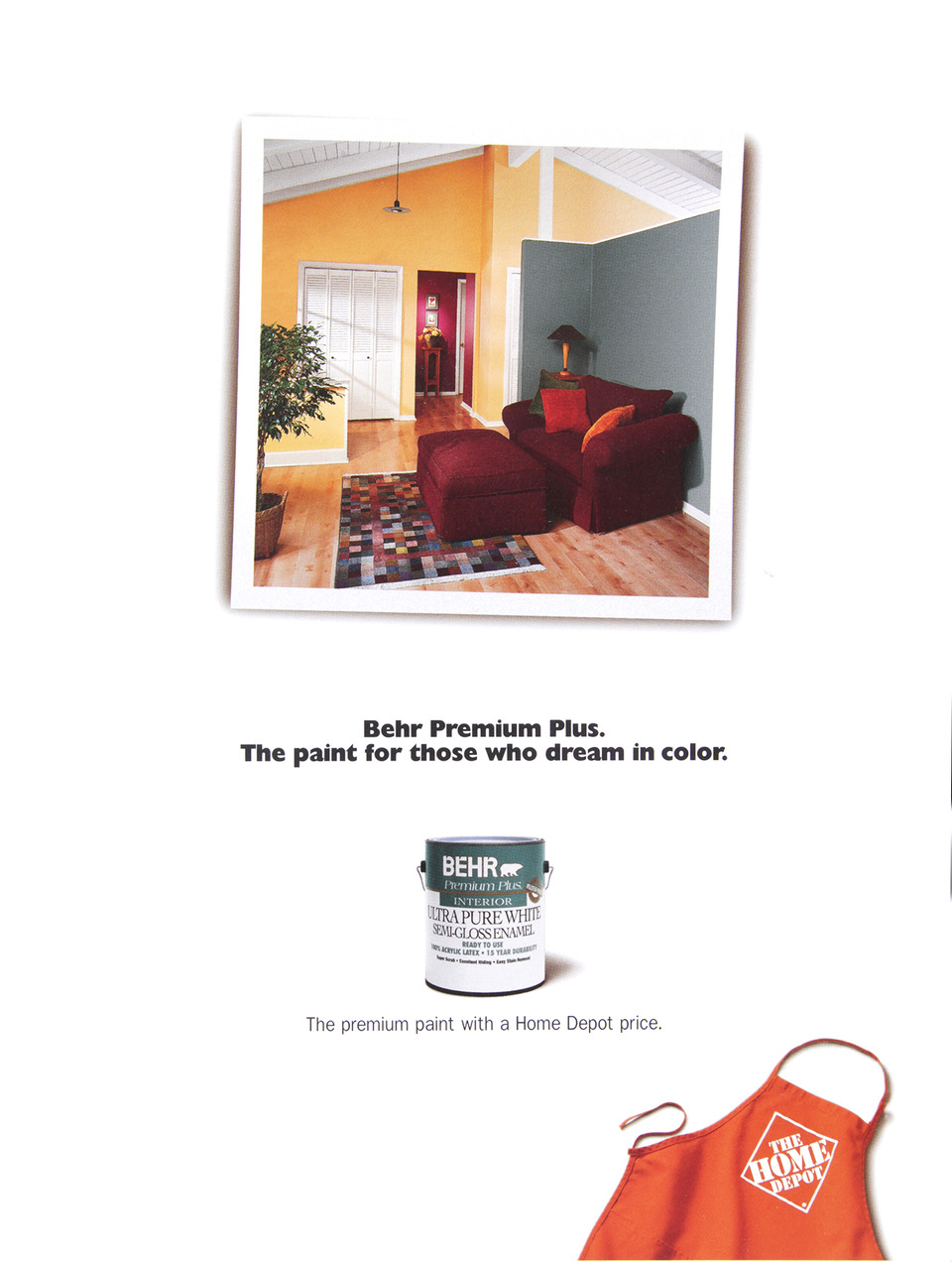
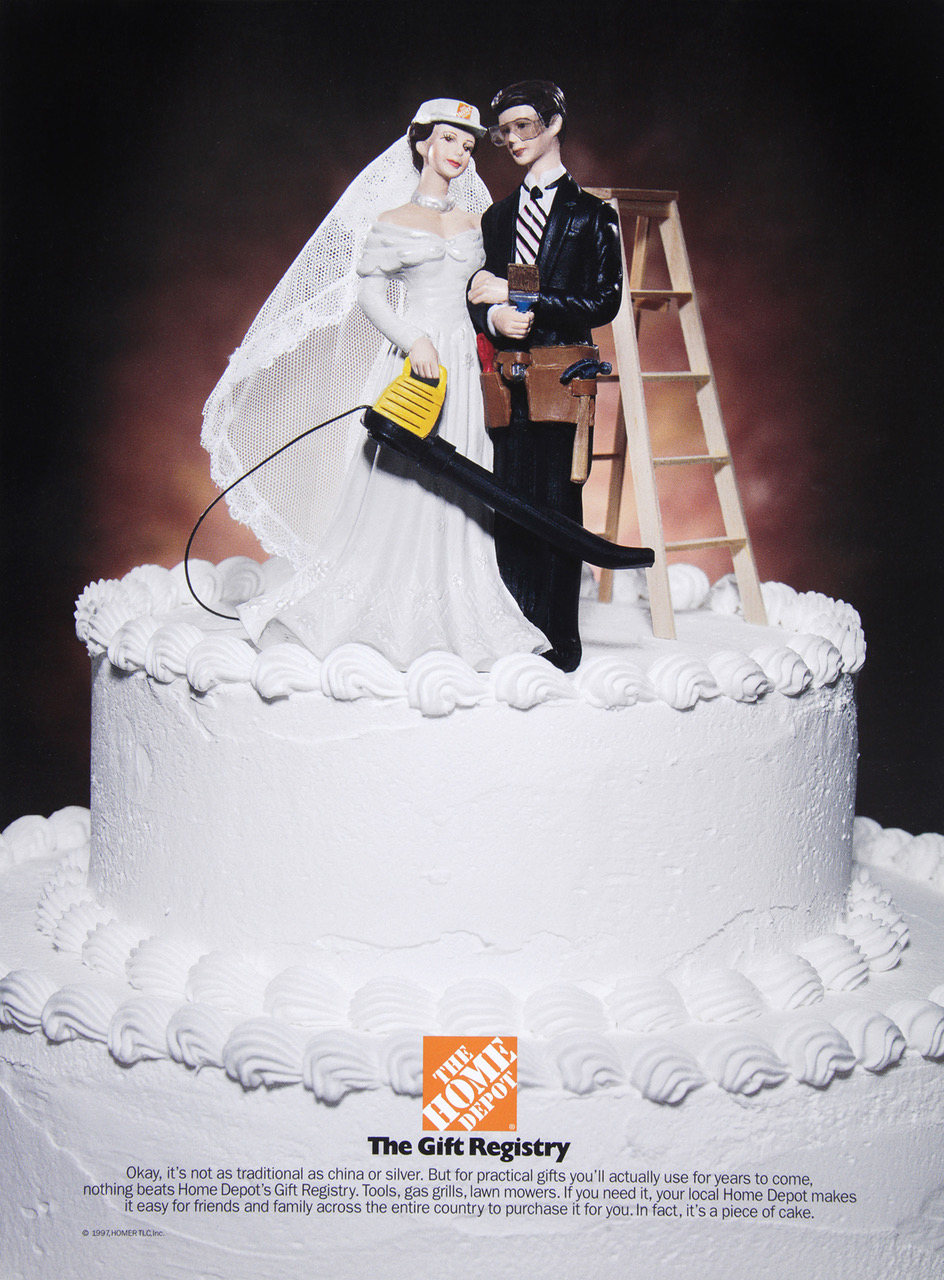
This is a man who shot national ads for the Home Depot, the Milk Mustache athletes for the Dairy Association, and headshots for movers and shakers across the Twin Cities. Who wrote 15 books on photography. Who taught workshops in Italy, Spain, and London. And who, now, mostly wants to talk about what happens when you take a photograph and push it until it stops being a photograph.
Chris’s story starts in Winona, Minnesota, population 27,000, a number he says has been roughly the same since God created the land. His father gave him a Brownie darkroom kit in the eighth grade, the same kit his father had used as a kid. They set up in a cloakroom. Chris made his first print there for a grade school science fair.
“I was hooked,” he says. “That was it. I knew right from then that photography was where it was at for me.”
By 15, he had photographed his first wedding, his first senior portrait, and his first advertising job. He had also talked his way into a job at the local camera store, which meant cheap supplies and, more importantly, access to every working photographer in town. The pros came in. Chris asked questions. Some of them let him visit their studios.
Two names stuck. Ole Olsen taught him lighting, specifically the placement of light and why it mattered. Oliver Durfey taught him printing, how to dodge or burn a portrait, and how to vignette without being obvious. “The guy was fantastic,” Chris says. “I was just this teenage kid blundering my way through.”
He moved to Minneapolis at 21, briefly attended the University of Minnesota, and quit when he discovered the photography program was more about Zen than about why a particular lens does what it does. He hung up his shingle in 1972 and started shooting whatever came through the door. His first studio client was a startup called Hobby Time. They made decorative kits. The first thing he photographed for them was a cow skull, both inside and outside the box.
From the cow skull, things grew.
Chris was the first photographer for MPLS (Minneapolis) Magazine, which became Twin Cities. He was also the first photographer for Corporate Report. The editorial work led to advertising work, which led to a relationship with an art director at Bozell, Jacobs, Kenyon, and Eckhart named Mike Gustafson that has lasted more than 40 years and is still going.
The Bozell connection hired Chris to do a product shoot for Collins Avionics, which led to one of his favorite stories from a long career full of them. He and Mike got to shoot inside a 747-400 simulator. When the photography was finished, there was half an hour left on the clock. Chris asked if he could fly it. The instructor strapped him in.
“I lumbered that thing down the imaginary runway and actually got it into the air. And as I’m flying over what is simulated to be St. Paul, Minnesota, I said to the guy, ‘How do I arm the missiles?’”
Mike’s landing attempt went less well. From two miles out, he was unable to lose enough altitude to line up with the runway for a landing. “Never mind,” he said. “I’ll get us down in a hurry.” He shoved the yoke forward and put the plane into a steep dive. In between whoops, bells, and flashing lights, the simulator’s warning system was screaming, “Sink rate! Sink rate! Pull up! Pull up!” right up until the moment they would have hit the tarmac. The instructor stopped the sim and observed that the pilots who came through for testing have careers that depend on a flawless flight performance. “And you guys are like, let’s put in another quarter.”
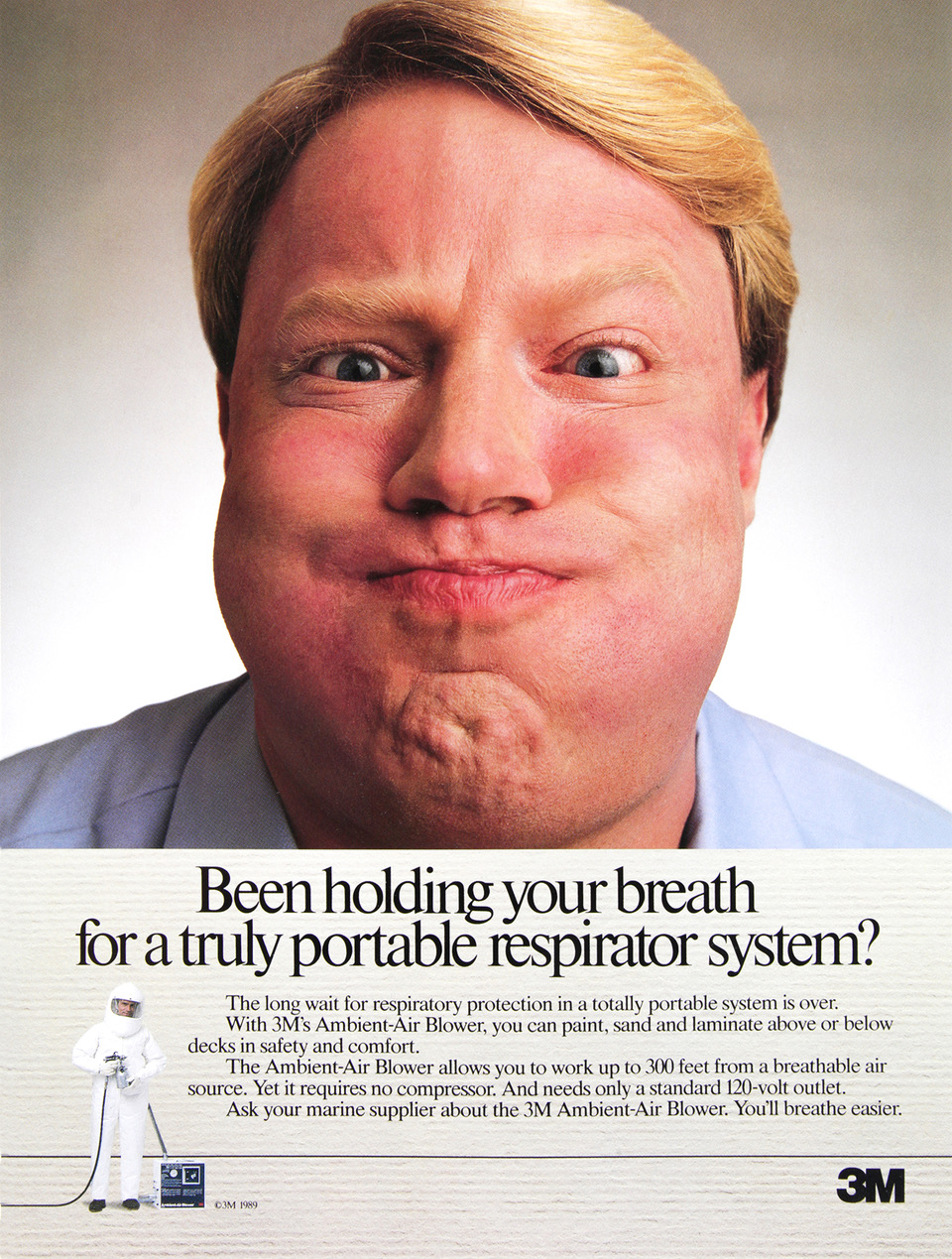
Mike eventually moved to the Richards Group in Dallas, then to a boutique agency in Atlanta, then to his own shop. Along the way, he brought Chris in on the Home Depot national work, a hilarious newspaper campaign for a hardware store, a filmed television campaign for Lexus, and others. Chris acquired the Target campaigns, the Milk Mustache athletes, and a steady stream of local TV and radio assignments while building a reputation for “killer head shots.” On the side, he found a niche almost no one had spotted, documentation work for dozens of personal injury attorneys and over 8000 cases. By one lawyer’s estimation, his work added “at least” $10 million to settlements over his career.
Chris and his wife, Sue, came to Oro Valley because her parents started spending winters here in 1994. For years, he and his wife flew down once or twice a year, stayed for 10 days, and let Chris drive around with a camera looking for things to shoot. When it was time to retire, they pulled the plug in Minnesota and made it official. They have been here four years now.
What he found, beyond family, was light. Anyone who has stood in front of Pusch Ridge at the right hour knows what he’s talking about. The Sonoran Desert has light that changes every twenty minutes, light that turns ordinary geology into something you have to stop the car for. Chris had spent half a century learning what light does. Then he moved to a place that does it better than almost anywhere else.
Most photographers narrow down. They pick weddings, or portraits, or commercial products, and they go deep. Chris has always gone the other way. His website covers botanicals, classical dance, the figurative nude, architectural abstracts, vintage-look prints, landscapes, classic cars, and monogram wall art. If something has a design that motivates him, he photographs it.
“I’m intensely curious about how things look,” he says. “I’m intensely curious about how something as stupid as a box of rocks can be influenced by lighting, direction of the light, contrast of the light, texture of the product, whatever. I find a certain amount of inspiration in just about everything.”
This curiosity is the throughline of his work and, probably, his life. Ask him about a topic he loves, and he can go for half an hour without circling back. Ask him what he wants people to know about him as an artist, and the answer comes fast.
“The most important thing in my head is that I will never stop learning. That learning curve is always going up. I learn new stuff all the time.”
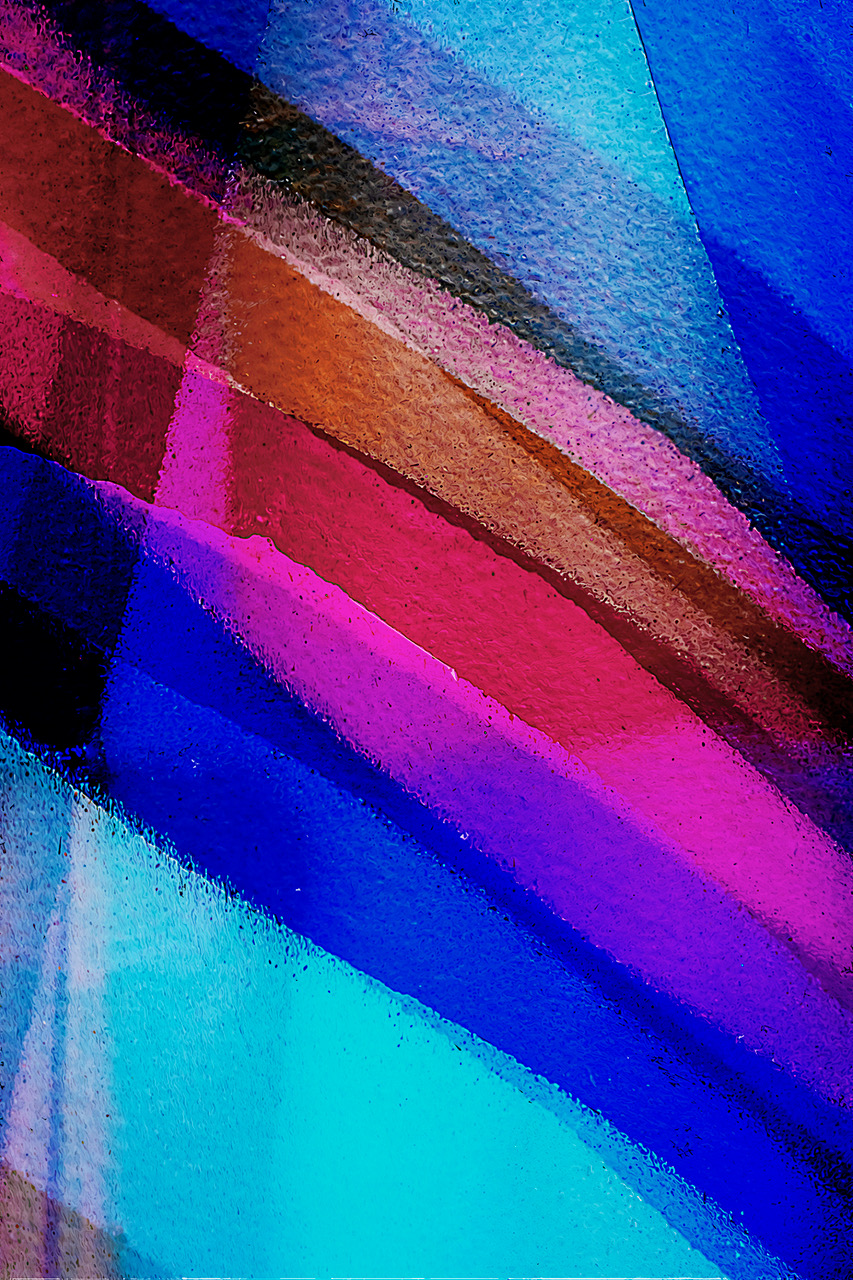
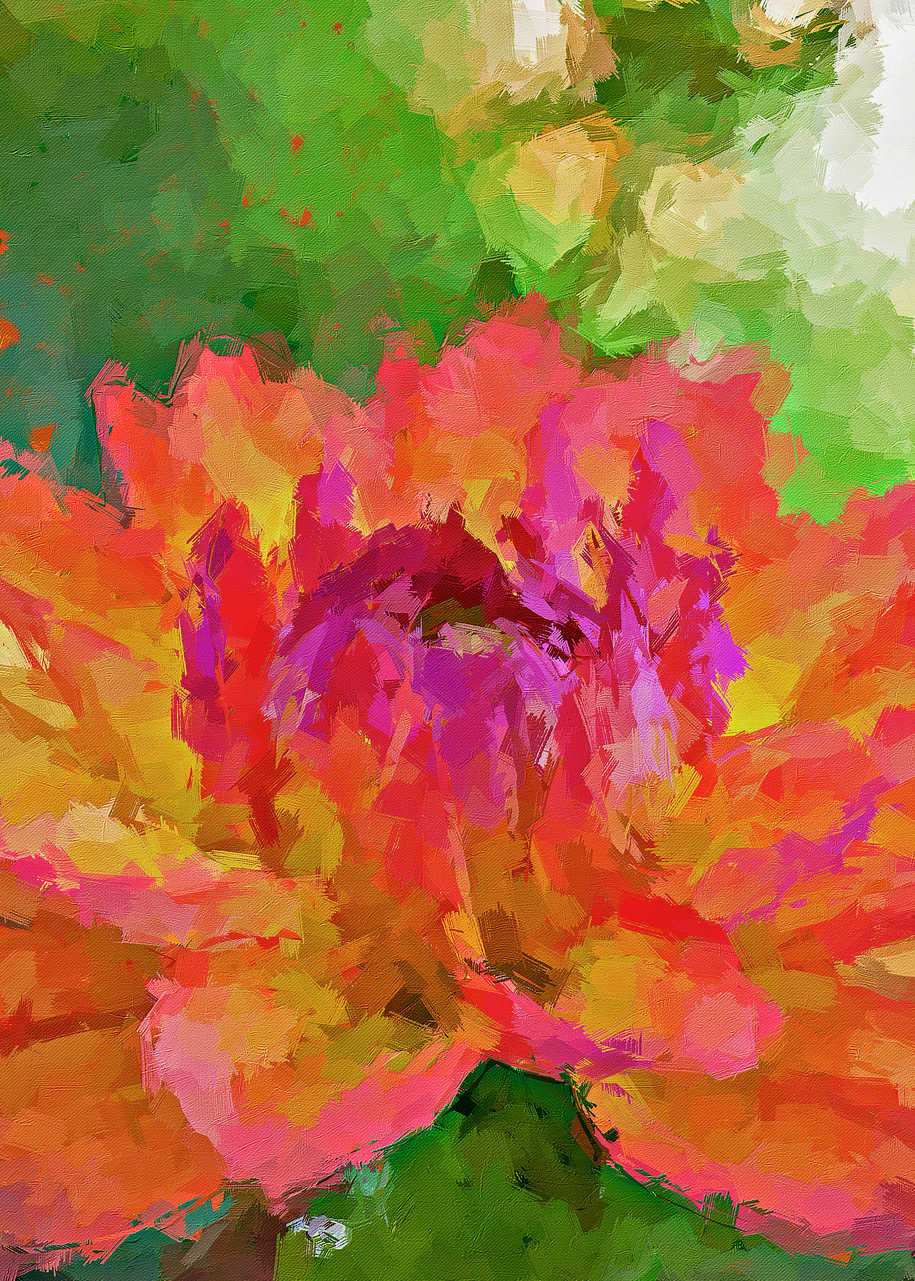
Sometime in the 1980s, alone in a darkroom and bored, Chris made what he calls a big mistake. Instead of tossing the print and starting over, he reached for alternative chemistry. He mixed something. Then he mixed something else. What came out was an image that looked like a cross between an antique photograph and a charcoal sketch.
“Oh, this is cool,” he remembers thinking. He spent the next several hours repeating the mistake.
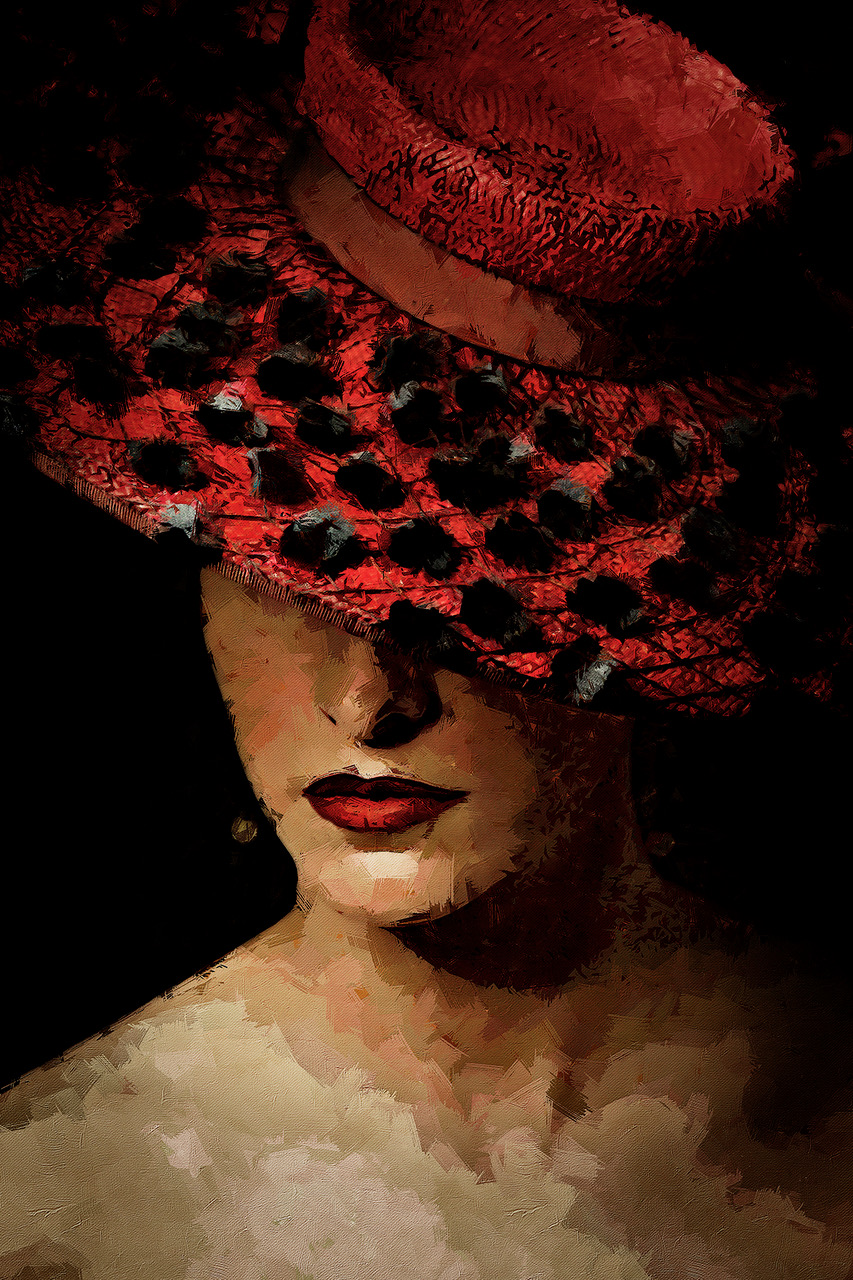
It took him two years to learn how to control the technique. When he did, it became the foundation for a long run of gallery work, especially with the human figure. It was also, importantly, something no one else could do. Casual visitors to art fairs love to look at a photograph and say, “I can do that.” Chris went looking for techniques where they couldn’t.
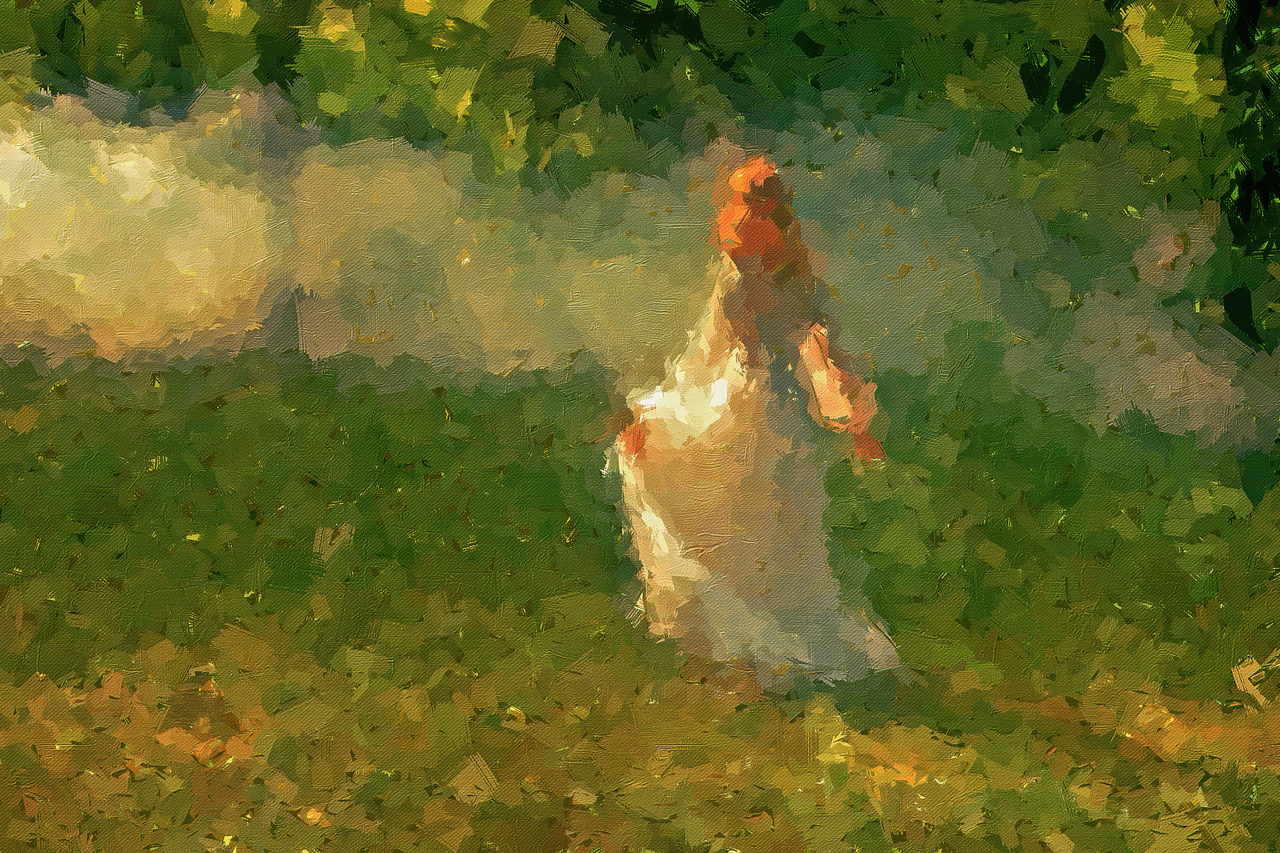
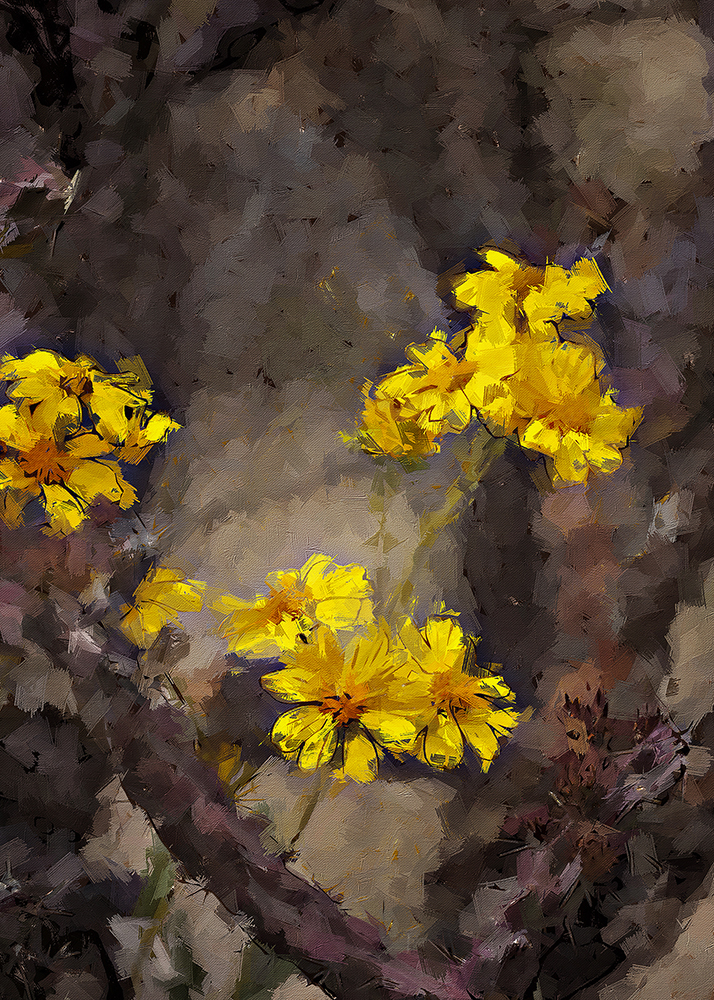
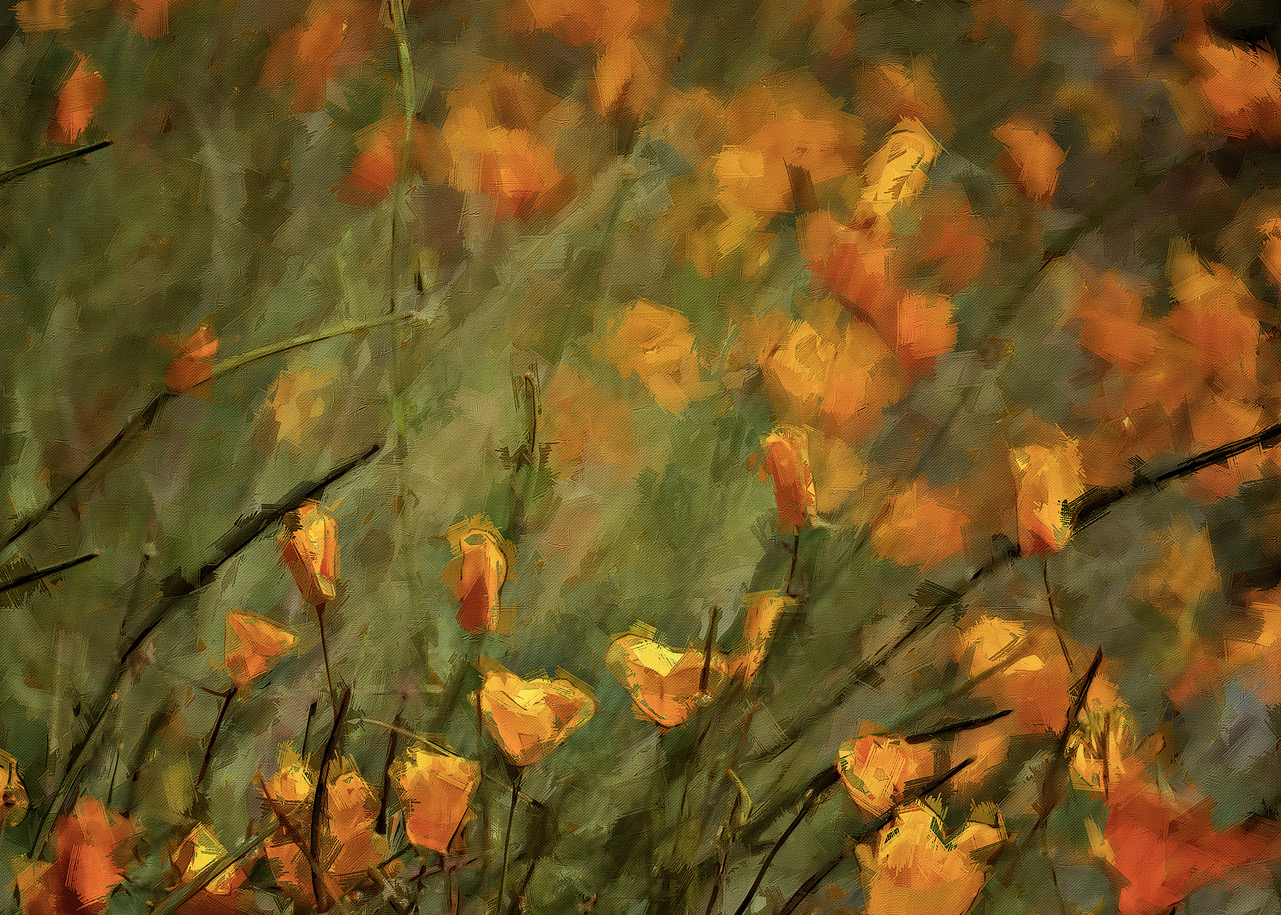
That instinct has carried him into the digital era. The darkroom work is gone. The principle is the same. He uses Photoshop the way he once used chemistry, working with filters and brushes that have been there for decades, plus a handful of more recent AI tools for object removal and background work. He can make a photograph look like a wide-brush oil painting. He can make one look like a watercolor. He doesn’t tell AI to do it. He builds it himself, layer by layer.
“What I do to photographs,” he says, “is they don’t look like photographs. They really are kind of captivating.”
The catch, and Chris is the first to say it, is that he can’t start with a bad image. The technique amplifies what’s already there. If the photograph underneath is weak, no amount of manipulation will save it. Decades of commercial work taught him to nail the foundation first.
Chris has thoughts about AI. Most working photographers do. His view is more nuanced than either the doomsayers or the cheerleaders.
AI took out a layer of low-end commercial photography that, in his estimation, probably wouldn’t have survived anyway. Stock photo libraries got disrupted. Catalog shots got disrupted. The photographers who understood what they were doing kept working. The ones who never really understood it found other jobs.
What AI can’t do, he argues, is nuance. He uses portraits as an example.
“You send in a picture of yourself and tell AI, ‘Make me a better picture.’ You’ll come out with perfect skin, bright eyes, and white teeth. Is it you? No, because there’s no spark behind the eye. If you’re shooting somebody and you engage them, you get a performance. That was my job. To engage you to the point where you’re not aware of it, but I’m getting a performance out of you. I’m shooting for nuance.”
The same principle holds on a commercial set. If an art director walks over and says, “I need a little more light over here,” a working photographer moves a light, adds a reflector, repositions the camera, and gets it. Run that note through an AI prompt, and three other things change that you didn’t ask to change. “Now you’re back at square four,” Chris says. “Whereas with me, it’s just a matter of moving a light.”
This is not the argument of someone afraid of the new tools. Chris uses them. He talks about them with the same curiosity he applies to everything. It’s the argument of someone who has watched his industry get disrupted before, by digital, by stock libraries, by desk lamps and reflectors operated by art directors charging professional fees. The work survives. The discipline survives. Some practitioners don’t, and that is the way it goes.
Chris joined the SAAG Gallery in January, after being juried in last December. He shows in a back corner of the gallery, with close to 20 pieces on the wall. He works regular shifts there. If you call ahead, and he’s there, he will give you a tour.
He also sells a separate line of products through a Shopify storefront built around his classic car photography, MyManGratsky.com, where detail shots of vintage cars are turned into keepsake products for car lovers and gearheads.
His 15 books, with about 11 still in print, are on Amazon under his name, Christopher Grey. They are mostly about lighting, which means they have aged well. Lighting is lighting. Digital, film, phone, sensor, it does not matter. The light still does what light will do.
The full catalog of his fine art lives at christophergreyfineart.com, organized into more than a dozen galleries: botanicals, dance, abstracts in metal and paint, color in motion, architectural, vintage, landscape, contemporary figurative, hospitality art, and more. Buyers can customize their art purchase through an extensive collection of substrates, mats, and frames.
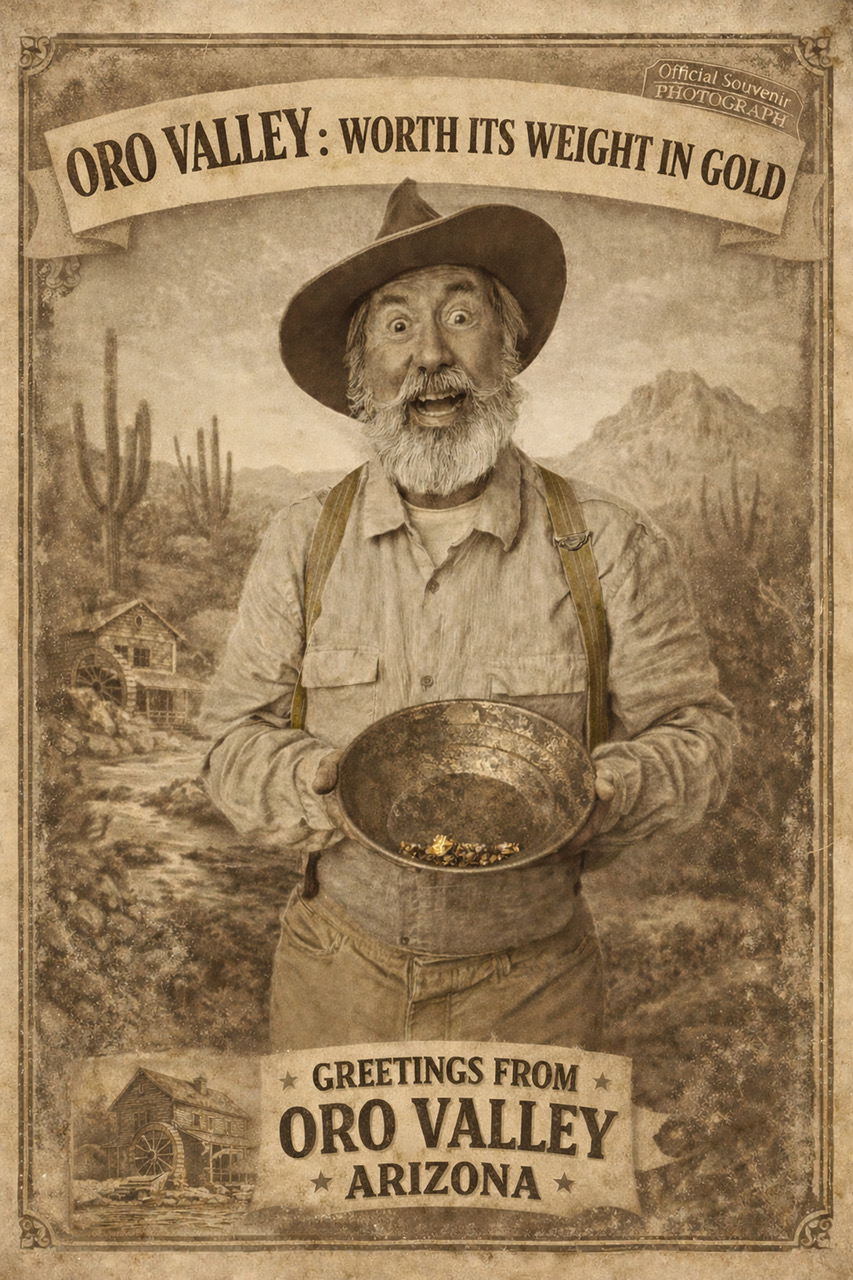
Chris is working on a project with local graphic designer Elisa Ng from El Design Studio, who has done the directories for the OV Chamber and the Town of Marana. The two of them are developing a set of products to promote Oro Valley, including a series that Chris had a great time staging. He grew his beard out for an extra two months until it got nice and shaggy, found the right clothes, had his stylist fluff it out, put on a dorky hat, and photographed himself panning for gold.
The concept: Oro Valley is worth its weight in gold.
He has also been talking with the SAAG Gallery about teaching, including a class on how artists can shoot better portfolio photographs of their own work, and another on the art of vacation photography. He has taught flower photography classes at Tucson Cactus and Koi. He has been a featured speaker at Wedding Portrait Photographers International in Las Vegas more than once and at the London Society of Wedding and Portrait Photographers twice. Teaching is something he loves and has always come back to.
If you’re 50, 60, or 70 and just picking up a camera for the first time, his advice would be simple.
“Take it off Automatic.”
The rest follows from there. You start to understand what each control does. You start to see why this matters. You stop shooting down the middle of the road, and your pictures stop looking like everyone else’s pictures.
It is, in his telling, not really about the camera at all. It is about staying curious. Chris Grey has been curious for 60 years and counting. He has no plans to stop.
You can see Chris Grey’s work at the SAAG Gallery and at christophergreyfineart.com. His books are available on Amazon under his name. His classic car prints and products are at his Shopify storefront, MyManGratsky.com.