

AtEaseCookz & Trivia
October 27@ 5:30 pm—9:00 pm


Daylight saving time ends Sunday, Nov. 1, at 2 a.m. for most of the country. In Oro Valley, nothing happens. Our clocks stay where they are, just like they have since 1968.
The world around us does change, though. Right now we match Pacific time. After Sunday, Los Angeles and Seattle fall back, and we’re one hour ahead of them. Eastern time is three hours ahead of us today and drops to two. Denver and Albuquerque fall back into line with us.
If you work with people out of state, double-check your calls, Zoom meetings, and TV schedules. Events set elsewhere stay at the same clock time, but the hour on our wall will be different.
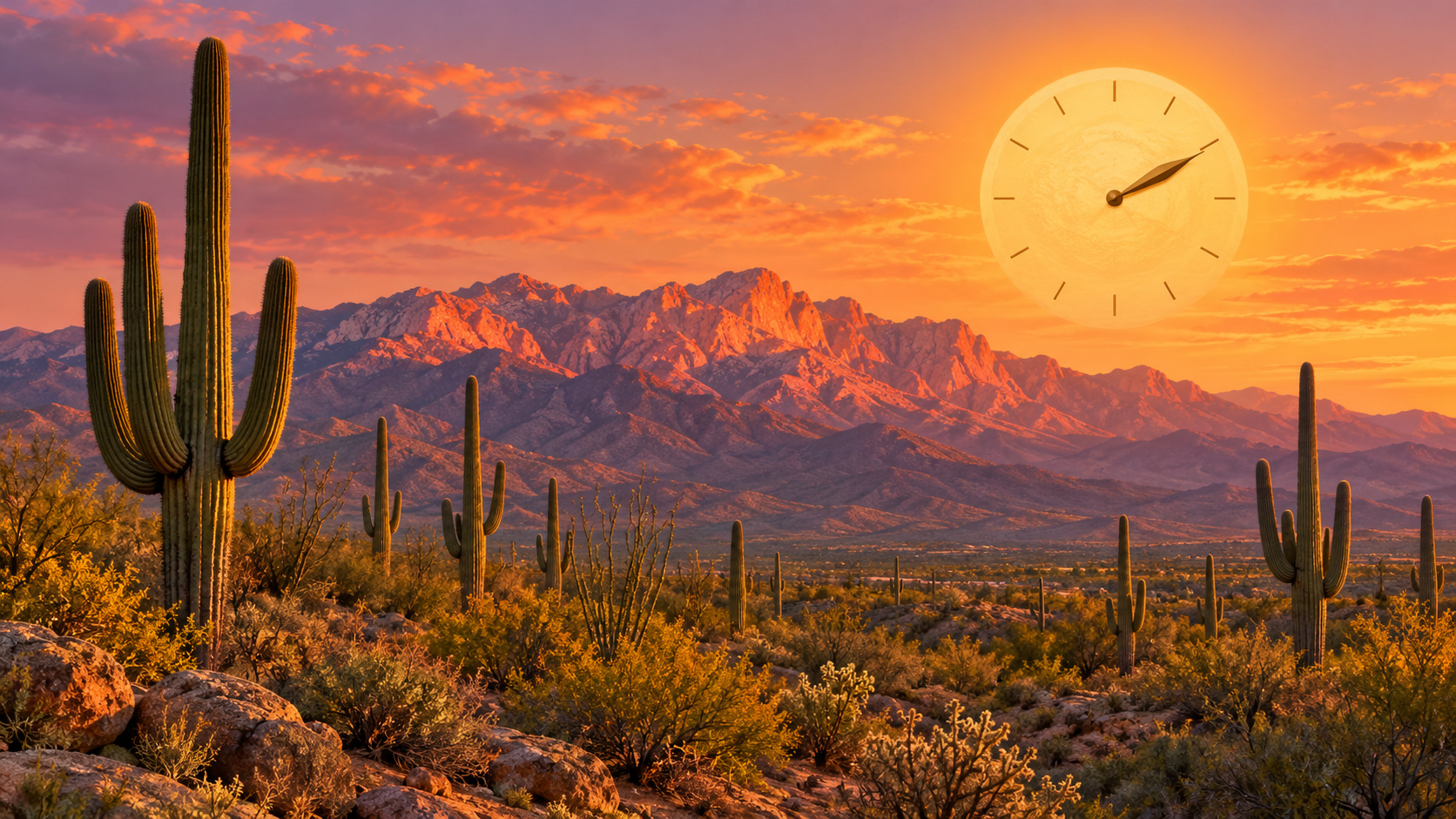 Arizona tried daylight saving time in 1967, and the Legislature abolished it in March 1968. The reasons were energy use and heat. More evening daylight means more sun in our hot summers. The Navajo Nation does observe daylight saving time, but the rest of the state does not.
On July 14, 2026, the House passed the Sunshine Protection Act 308-117, which would make daylight saving time permanent. The Senate approved an earlier version in 2022 by unanimous consent, but the House did not pass it. This time, the Senate has not acted, so the November change will go ahead. President Trump has repeatedly urged Congress to make it permanent.
Supporters say more evening light encourages outdoor activity, shopping, and recreation, and can reduce crime by keeping people active after work.
Opponents are mostly sleep and health experts. Many favor permanent standard time because it better matches our natural body clock. The worry with permanent daylight time is darker mornings, which critics say are risky for kids heading to school and adults driving to work. The country tried it in the 1970s, and Congress scrapped it within months amid popular outcry.
Voters are split on which time to keep. A February 2026 YouGov poll found 64 percent want to end clock changes, with 43 percent favoring year-round daylight time and 28 percent favoring standard time.
If the bill becomes law, states could still opt for year-round standard time, as Arizona already does. Nothing in the coverage I found suggests Arizona would be forced to change.
Our neighbors would still feel it. With permanent daylight time, we’d match Pacific time all year and sit three hours behind the East Coast. Today that’s only true in summer.
For now, enjoy the extra bit of morning light on the other side of the country’s clock change, and remember we’ll be an hour ahead of California starting Sunday.

;>)
;>)