
Live Music – Chillin’ at the Chul
August 01@ 6:00 pm—9:00 pm



From overcrowded classrooms to state recognition—discover how Daniel’s move to Oro Valley’s schools unlocked hidden talents and sparked a passion for environmental science. His sixth-grade water harvesting project didn’t just earn awards; it’s now being implemented across local schools and considered for municipal use.
What happens when a student moves from passive learning to owning their education?
Daniel’s academic performance had flourished in Oro Valley’s school system in ways that validated every sacrifice they’d made to prioritize his educational experience over traditional career advancement. Smaller class sizes, individualized teacher attention, and innovative programs like outdoor education and STEM integration had revealed talents and interests that might have remained hidden in his overcrowded Manhattan school.
Daniel’s academic performance in STEM.
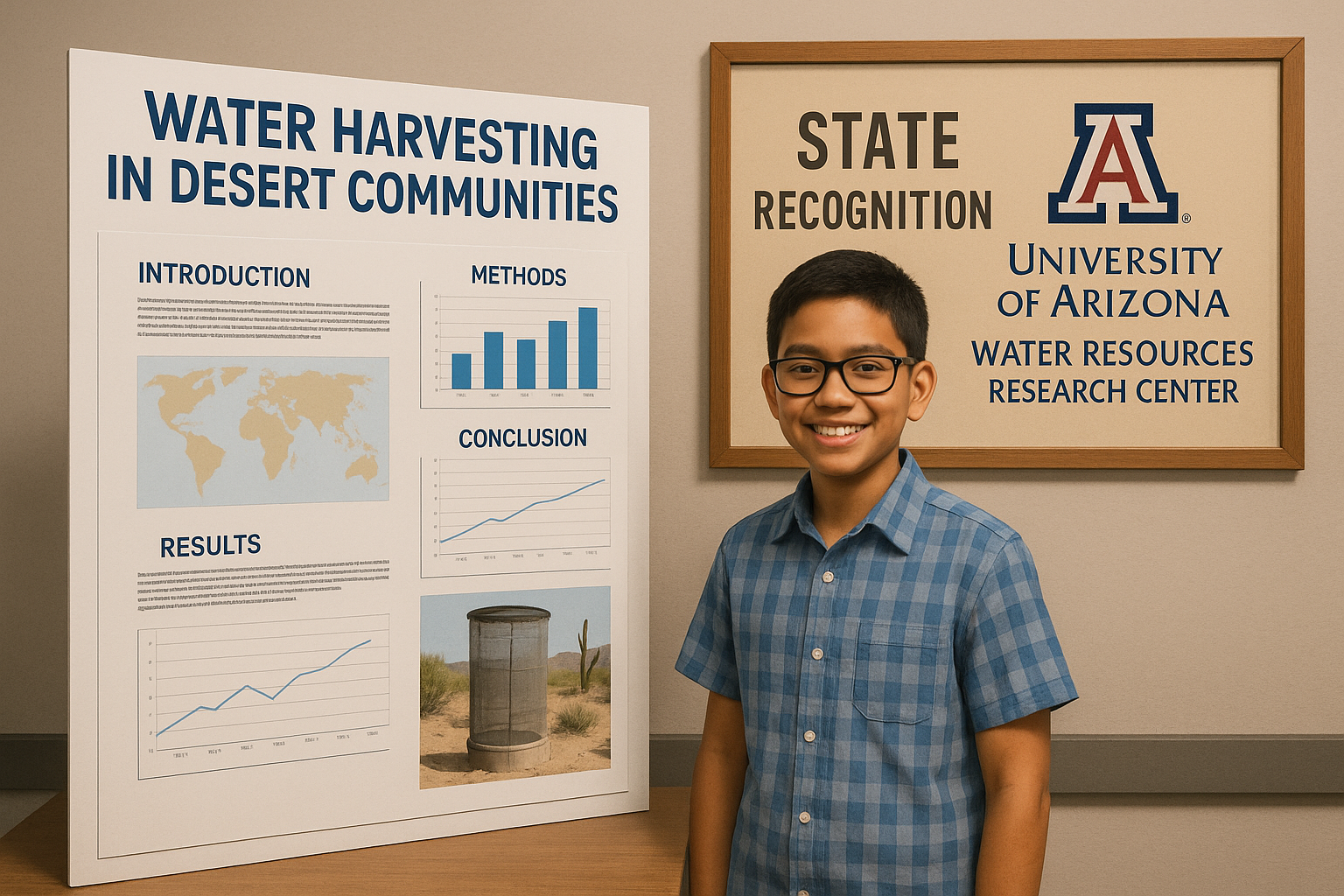
His sixth-grade science project on water harvesting in desert communities had earned state recognition and caught the attention of researchers at the University of Arizona’s Water Resources Research Center. The mentorship opportunity that followed was introducing him to environmental engineering concepts and research methodologies that were sparking a genuine passion for sustainability science and desert ecology.
“He’s not just learning subjects,” Marisol observed during a parent-teacher conference where his teacher shared examples of Daniel’s leadership in collaborative projects and his innovative approaches to problem-solving assignments. “He’s developing expertise in things that matter to our region. He feels ownership of his education.”
The distinction was crucial. Instead of passively receiving information to be regurgitated on standardized tests, Daniel was conducting original research, solving real problems, and contributing to knowledge that had practical applications in his immediate environment. Several Oro Valley schools had implemented his water harvesting project and was being considered by the town for broader municipal application.
His writing had improved dramatically through assignments that connected classroom learning to community engagement. Essays about local history, environmental challenges, and cultural diversity helped him develop his voice while building knowledge about the place he was learning to call home. His teachers noted improvement in both technical skills and creative expression that seemed directly connected to having meaningful subjects to explore.
The Amphitheater District’s gifted program was providing acceleration without social isolation, allowing him to pursue advanced coursework while maintaining friendships with age-appropriate peers. The balance was crucial for his emotional development and social confidence, preventing the academic pressure that had begun developing during his final year in New York.
His involvement in extracurricular activities—robotics club, environmental club, student government—was building leadership skills and collaborative abilities that would serve him throughout his educational and professional future. The opportunities for student voice in school governance were teaching him that his opinions mattered and that institutions could be influenced through constructive participation.

;>)