
At Ease Cookz & Trivia
September 22@ 5:30 pm—9:00 pm


August brought Carlos’s first performance review at Desert Tech Solutions, a pleasant surprise that reminded him why taking professional risks sometimes leads to unexpected opportunities. His supervisor, Janet, mentioned expansion plans involving Carlos in consulting work with other municipalities looking to upgrade their technology infrastructure. The company culture was more relaxed than Morgan Stanley’s pressure-cooker environment, but the work was proving more engaging than he’d anticipated.
“Miguel in accounting invited us to his daughter’s quinceañera next month,” Carlos told Marisol over dinner, sharing news that represented their growing integration into local social networks. “His wife apparently makes the best tamales in Tucson, and they want to introduce us to more families with kids Daniel’s age.”
The invitation felt significant beyond its social dimensions—evidence that coworkers were becoming friends and their families were being absorbed into the broader community rather than remaining perpetual newcomers who might move away at any moment.
Daniel’s Desert Beginnings
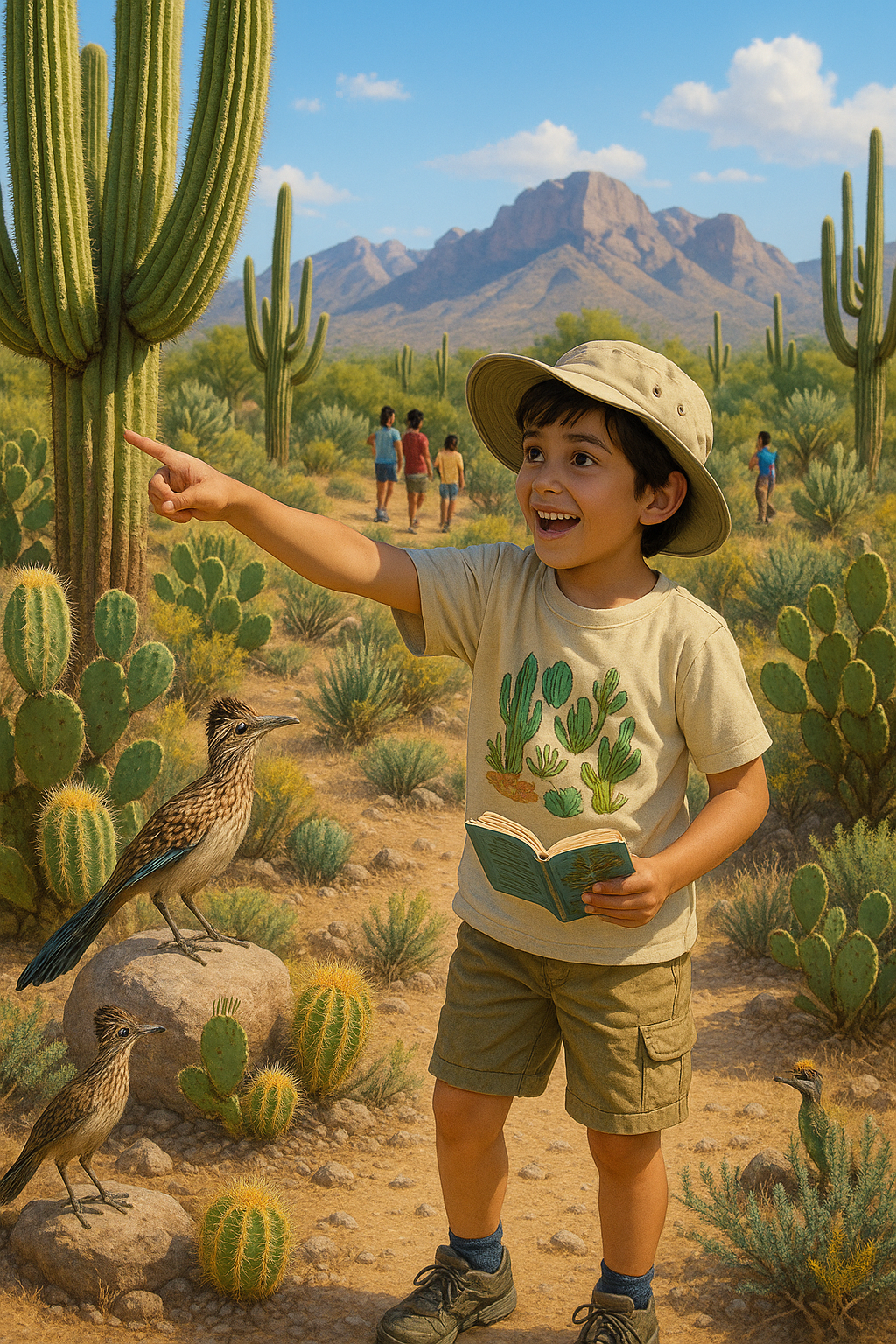
Daniel was thriving in ways that made Marisol grateful for their decision to prioritize his childhood experience over traditional career advancement. Summer programs at the Oro Valley Community Center had introduced him to desert ecology, basic Spanish conversation, and confidence in outdoor activities that had never quite emerged during their urban lifestyle. He could identify six different types of cacti, knew which lizards were active during different times of day, and had developed an obsession with roadrunners that charmed their neighbors and provided endless conversation topics with other children.
His transformation from a city kid who feared unfamiliar environments to a young naturalist who led neighborhood expeditions to look for owl pellets and animal tracks represented exactly the kind of childhood they’d hoped to provide by leaving New York. The confidence wasn’t just about natural knowledge—it extended to social situations, academic challenges, and the kind of easy comfort in his own environment that comes from feeling genuinely settled rather than temporarily placed.
Marisol’s remote work had stabilized into routines that took advantage of their new environment rather than simply adapting. Her West Coast clients appreciated her early availability for morning meetings, and she’d picked up two new accounts through networking at community events—local businesses that needed marketing expertise but couldn’t afford big-city agency fees. The work felt more meaningful when she could see its direct impact on businesses where she shopped and families she knew.
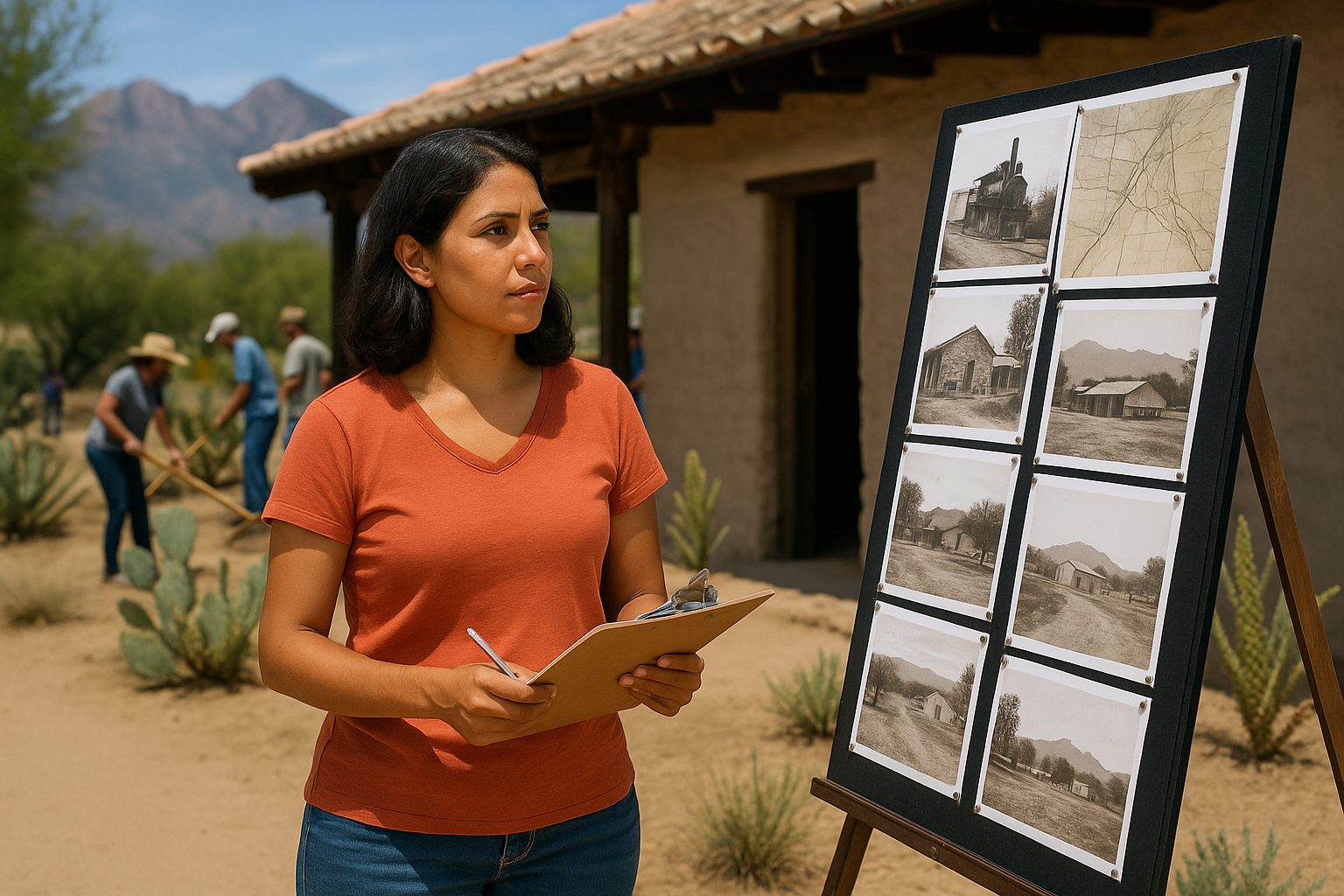
Marisol was considering joining the Oro Valley Historical Society as a volunteer.
The book club had evolved into genuine friendships that extended beyond monthly literary discussions into regular coffee dates, hiking partnerships, and the kind of mutual support system that develops when people invest time in really knowing each other. Marisol was considering joining the Oro Valley Historical Society as a volunteer, drawn to the opportunity to learn about their community’s development while contributing to preservation efforts that would benefit future residents.
Their house was beginning to feel like home in ways that went beyond mortgage payments and utility bills. They’d planted native trees that would provide shade in future summers, installed a small water feature that attracted birds they were learning to identify, and created outdoor spaces for entertaining that took advantage of Arizona’s pleasant year-round evenings.

;>)
;>)