
America’s Best Mexican Food Festival
August 08@ 5:00 pm—8:30 pm



Daniel’s second year at Painted Sky Elementary began with excitement rather than the anxiety that had characterized their first-day experience the previous year. He knew the hallways, recognized teachers from school events, and had a solid group of friends who’d maintained connections throughout the summer through birthday parties, swimming pool gatherings, and community center activities.
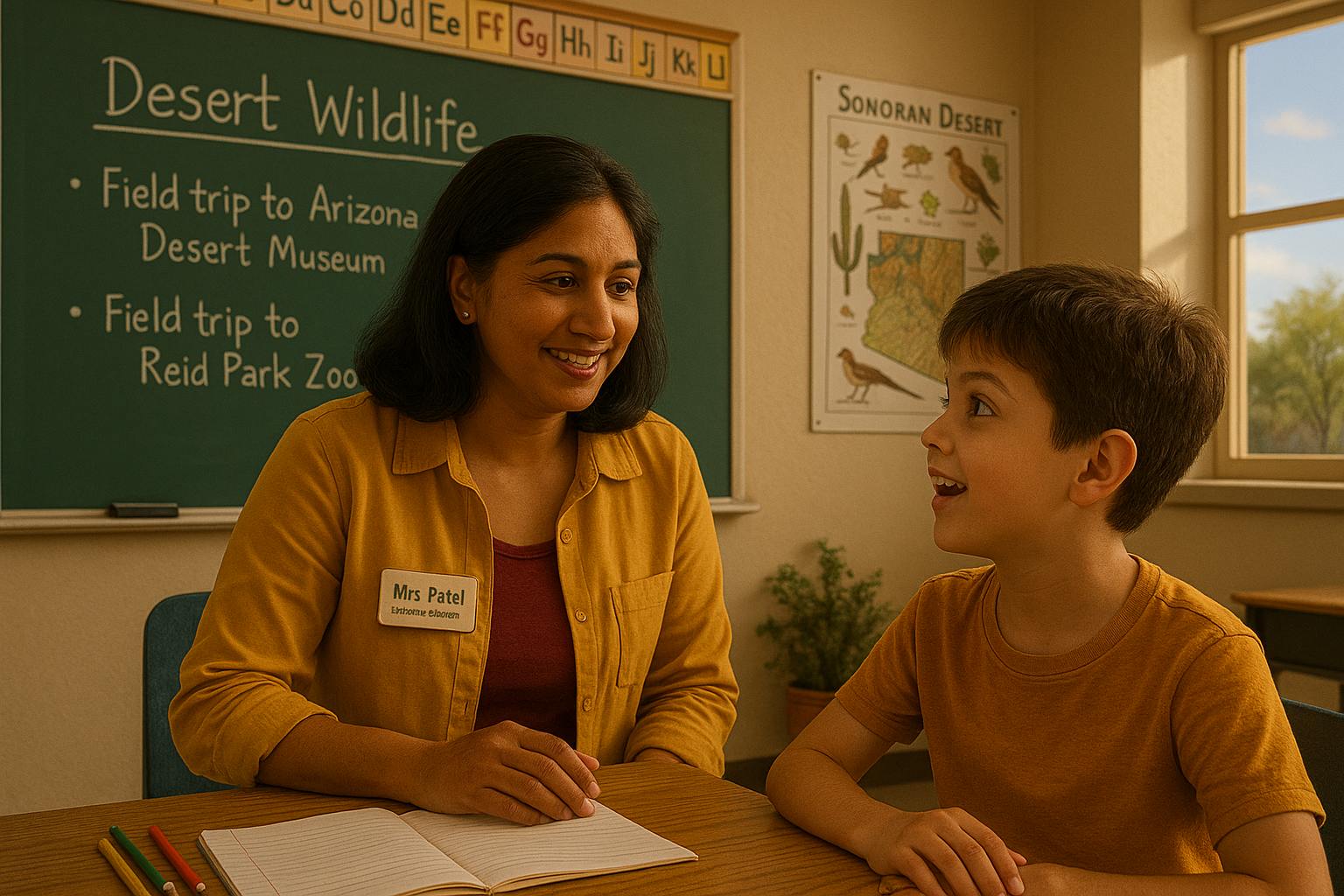
Mrs. Patel, Daniel’s teacher.
Mrs. Patel, his fourth-grade teacher, had heard about his interest in desert wildlife and promised field trips to the Arizona-Sonora Desert Museum and the Reid Park Zoo—opportunities that reminded Carlos and Marisol why they’d prioritized school quality in their community selection process. The educational resources available here, from outdoor learning opportunities to specialized programs for gifted students, exceeded what they’d been able to access in their previous, much more expensive educational environment.
The school’s diversity reflected Oro Valley’s demographics in both familiar and refreshingly different ways, contrasting with the intensity of New York. Military families from Davis-Monthan Air Force Base brought perspectives from around the world. Retirees who had relocated from the Midwest contributed volunteer hours and wisdom from diverse careers, and young families like theirs, drawn by quality of life considerations, shared similar values about education and community involvement.
During back-to-school night, Marisol and Carlos met parents from Ohio, Connecticut, Texas, and several who’d been born and raised in Arizona but had chosen to stay rather than relocate for career opportunities. The conversations revealed shared priorities: access to outdoor recreation, excellent schools, a manageable cost of living, and a community environment where individual contributions could make meaningful differences.
“It’s not like New York diverse,” Marisol noted as they walked to their car after the orientation, processing conversations covering everything from hiking to volunteer opportunities to local business recommendations. “But everyone has a story about why they’re here. We’re all building something together rather than competing for limited resources.”
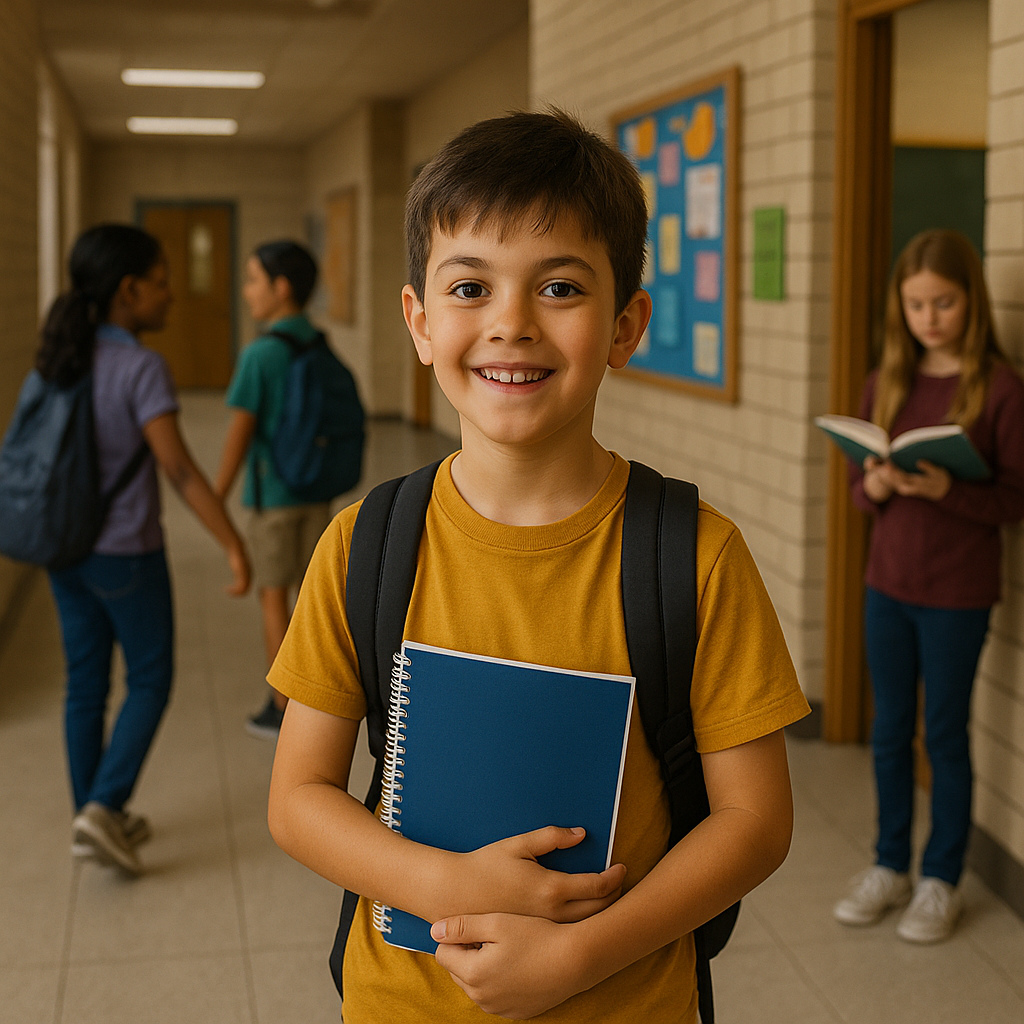
Daniel is at school.
Daniel’s confidence in his new environment was evident in small details—he offered to show new students around the school, volunteered to help with the morning announcement broadcasts, and had been selected for the advanced reading group that met during lunch periods. His teachers noted improvements in both academic performance and social leadership, which seemed directly connected to his sense of security in his environment.
The parent-teacher conferences revealed that Daniel was excelling not just academically but socially, serving as a bridge between different groups of students and demonstrating the kind of emotional intelligence that develops when children feel genuinely supported rather than constantly stressed about fitting in.
His writing assignments about desert wildlife, illustrated with his own photographs and drawings, had caught the attention of the Amphitheater School District’s gifted and talented coordinator, who recommended him for an advanced environmental science program that would begin in fifth grade and continue through middle school.

;>)