
AtEaseCookz & Trivia
October 13@ 5:30 pm—9:00 pm


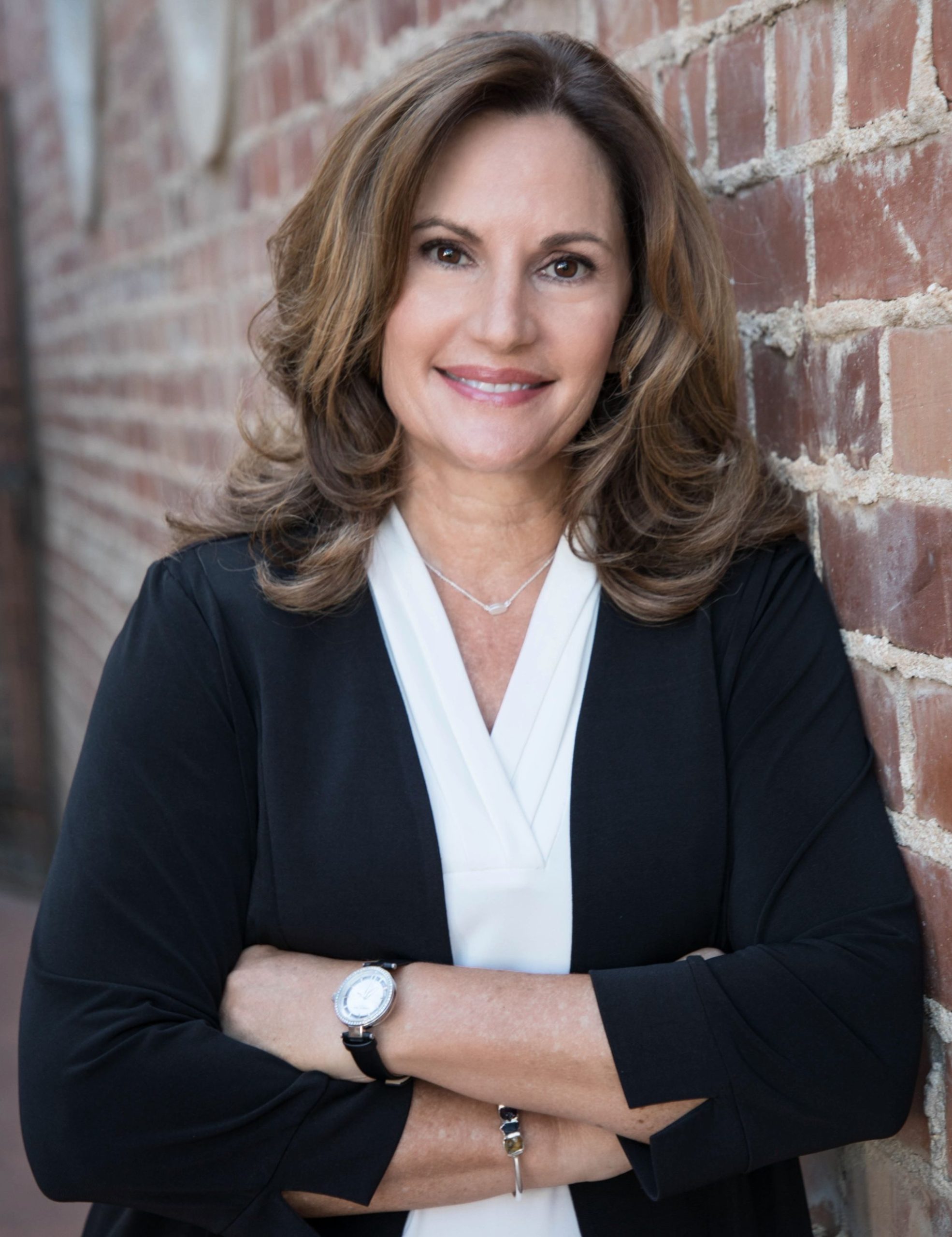
Rhonda Piña, a second-generation Tucsonan, holds a Bachelor of Science in Business Management, a Certificate in Human Resources Management and an Arizona Department of Education, Certificate Substitute, PreK-12. Rhonda is Deputy Director for Workforce Development in the Pima County Community and Workforce Development Department which includes oversight of the Kino Veteran’s Workforce Center.
Previously, Rhonda worked in the financial services industry for 29 years in commercial and retail banking. Rhonda has been involved in many community and civic organizations including serving as a former Councilmember for the Town of Oro Valley and currently serving as a Board of Director for the Tucson Airport Authority (TAA).
Rhonda previously served on a broad range of community organizations, including board of director positions for the Greater Oro Valley Arts Council (Art State AZ), the Northern Pima County Chamber of Commerce (Greater Oro Valley Chamber of Commerce), and the Oro Valley Rotary.
Rhonda’s previous community service includes:
Rhonda and her husband, a civil engineer, enjoy grandparenting, playing golf and tennis.
ILoveOV.com Candidate Questionnaire
 want to see different, what you want to see preserved, and what you believe the Council’s most important work will be during your term.
My vision is to ensure the delivery of town services is at the highest level by addressing evolving needs of a growing community and ensuring its future vitality and fiscal health. My priorities are public safety – ensuring our first responders receive the resources they need to maintain the safety and well-being that makes Oro Valley (OV) a unique place to live. Budget accountability – I will bring my years of experience with fiscal responsibility to continually develop budgets that provide needs of the OV community. Strategic economic development – provide leadership that strengthens the town’s business environment to grow revenues and responsibly attract and retain quality employers. The most important work will be budget issues specific to revenue growth to support services as expenses increase and to avoid taxation impact on residents.
2. Oro Valley’s 2025-2026 budget projected further revenue declines due to declining residential development, and the Town’s CFO has described a structural deficit in which future expenses are projected to exceed incoming revenue. If elected, which of the following would you support: additional business-side taxes such as commercial lease or use tax, a primary property tax (Oro Valley currently has none), service reductions, more aggressive commercial development to grow the sales tax base, or some combination? Please be specific.
To elaborate on question #1, my approach to declining revenues is a combination of short- and long-term solutions. Short term solutions include supporting tourism efforts through greater partnerships with the two beautiful resorts in the OV community to increase the bed tax, which will inherently increase sales tax revenue. Additionally, look at opportunities to support existing businesses with an aggressive economic development plan. In tandem, the long-term approach consists of seeking annexation opportunities to further increase sales tax revenue. It is important that the combination of these efforts is consistent.
3. Roughly 65 percent of Oro Valley’s drinking water comes from groundwater, with the remainder from CAP (Colorado River) and reclaimed sources. Federal rules governing post-2026 Colorado River operations expire at the end of this year, the Bureau of Reclamation plans to finalize replacement criteria by October 1, 2026, and the seven Basin States have not reached consensus. Tier 1 shortage conditions remain in place. How should the Council balance water availability against future development approvals, and should a project’s water demand be a stand-alone basis for approval or denial?
The water management in OV has been done exceptionally well. I am proud of my previous service on council to support and vote for the Northwest Recharge and Recovery Project, a project that conserves OV’s groundwater and utilizes the Central Arizona Project (CAP) allocation. OV has an assured water supply from the Arizona Department of Water Resources projected for legal population growth and a ten-thousand-acre-feet-per-year allocation. Regarding the impact of the federal rules, CAP allocations may be reduced 20% during these drought conditions. Balancing water resources requires prudent due diligence when considering projects that are beneficial for OV. Water is a complex item that requires in-depth study on a case-by-case basis due to it being a finite resource that needs to be protected.
4. May 6, 2026, the Council approved a General Plan amendment and rezoning of the 141-acre Oro Valley Town Centre parcel at Oracle Road and Pusch View Lane (also known as Rooney Ranch). The approved plan preserves roughly 88 acres as open space, allows limited townhome and commercial development closer to Oracle, reduces maximum building heights, and eliminates the previously allowed five-story hotel option in Area 3. Next steps include appraisal, bid solicitation, and eventual sale to private developers. Do you support the approved plan as it stands, what would you change going forward, and what principles should guide the Council’s votes on appraisal, bid, and the eventual sale?
Council decision has been made. No comment at this time.
5. Road maintenance costs in Oro Valley doubled in four years, climbing from $1.5 million to more than $3.1 million annually. Arizona’s shared-revenue formula is declining, and gas-tax revenue is shrinking with EV adoption. What’s your specific plan for funding infrastructure, including pavement, stormwater, and utilities, over the next four to eight years?
Budget management applies to road maintenance the same as other core services. This requires prioritizing the “needs and wants” of the community as they relate to capital improvements. It is not in the town’s best interest to delay taking care of much needed capital expenses.
6. Short of annexation or significantly increasing residential density, the tools available to grow Oro Valley’s sales tax base are limited. Redeveloping vacant retail. Recruiting specific commercial tenants. Expanding tourism and bed-tax revenue. Which of these do you see as the most realistic, and what concrete steps would you take in your first year to advance it?
See questions 1 and 2. Council takes office halfway through the budget year. In the first year it is important to assess and determine the priorities of the town council, especially with the newly elected.
7. The Town’s CFO has noted that Oro Valley’s aging demographic creates a structural revenue challenge. Older residents consume more medical and professional services, which generate significant income but little local sales tax. How should the Council respond to this demographic reality, through the tax code, through economic development strategy, or both?
The demographics of OV have been a plus with the senior population. I do think it is about planning and acknowledging the benefits that all residents bring to our community. See questions 1 and 2.
8. How do you personally intend to gather resident input beyond formal public comment at Council meetings? Please describe specific practices you’ll commit to during your term, including neighborhood meetings, office hours, digital tools, and written communication.
Same as I did before, when serving on council and understanding service as a priority, I will respond at an appropriate time to calls, emails and constituent services inquiries. Also important is ensuring utilization of town resources for efficient communication to promote transparency. I support Council on Your Corner efforts with the idea of participation and coordination by a citizen committee, if possible.
9. Describe one decision made by the current Council that you believe was correct but politically unpopular, and one decision you believe was popular but incorrect. Explain your reasoning.
In general, from my perspective, I do not think there has been enough discussion through detailed questions from the dais to convince me, or perhaps other residents, of the decisions that have been made. There will always be differing opinions, however it is incumbent upon council members to fully vet and understand the impact(s) of sensitive issues.
10. Beyond your professional and civic resume, what personal qualities, and what specific limits on your time and other commitments, should voters weigh when deciding whether you’re the right choice for Council?
My qualifications and previous experience serving on OV Town Council reflect my leadership abilities to serve our community the way it deserves.