

Karaoke
September 13@ 4:00 pm—8:00 pm


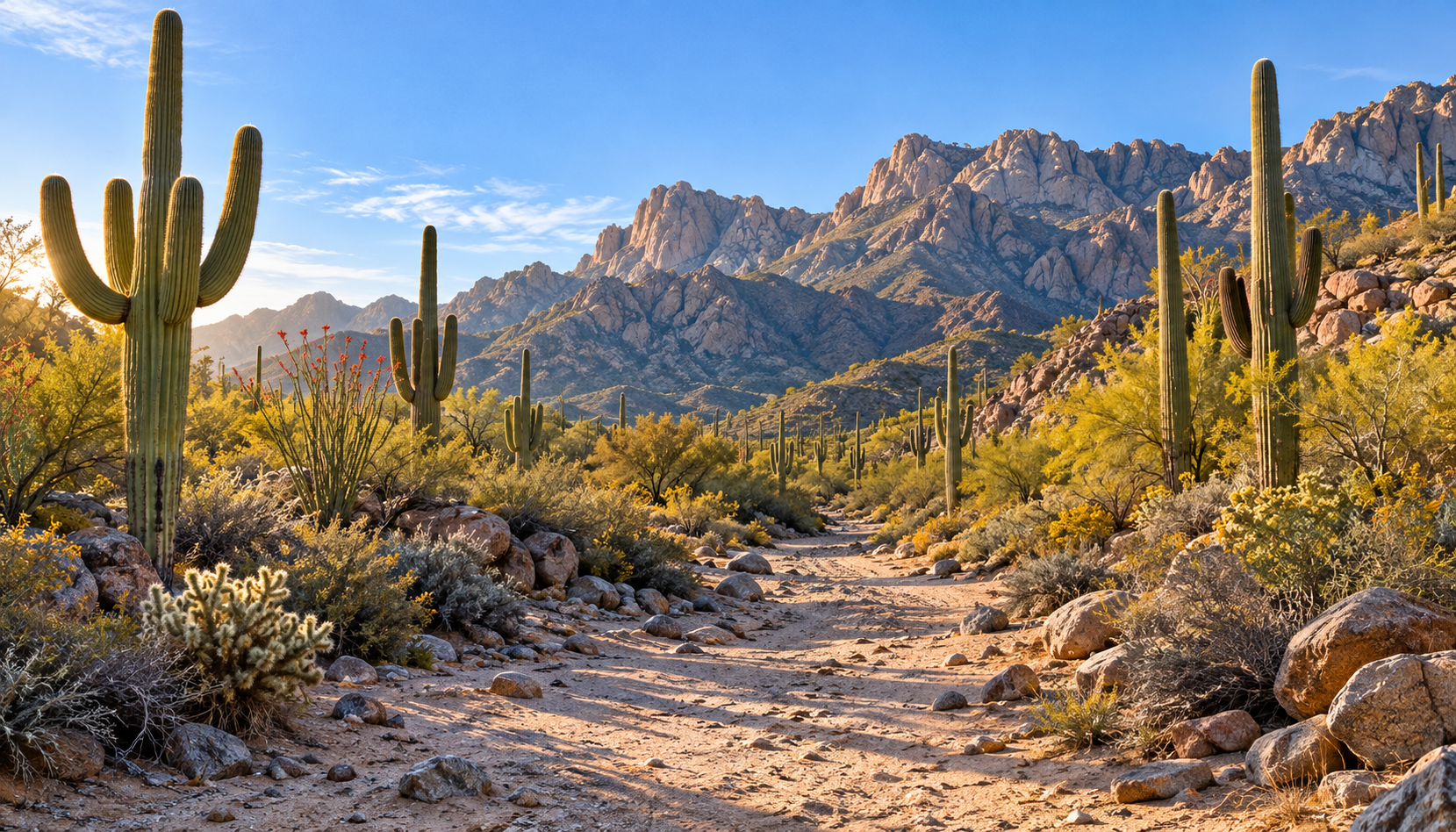
When the midday sun scorches the desert floor and temperatures in Oro Valley climb above 105°F, most of us seek air-conditioned refuge. Yet, for the native wildlife of the Sonoran Desert—an ecosystem as harsh as it is beautiful—this intense heat is a way of life. From tiny lizards to soaring hawks, each creature has adapted remarkable strategies for finding water, food, and shade in one of the hottest regions of North America.

Birds of the Sonoran Desert
Many birds in the Sonoran Desert, like the Gila woodpecker and cactus wren, rise with the sun. They forage early when temperatures are cooler, seeking seeds, insects, and nectar. Mourning doves and white-winged doves are especially active during dawn and dusk, when they feed on seeds and cactus fruits. These doves rely on seasonal blooms—like those of the saguaro cactus—for both hydration and nourishment. Gambel’s quail, a ground-dwelling favorite often seen in family groups called coveys, spend the day foraging beneath shrubs for seeds and insects. Both doves and quail minimize water loss through efficient respiration and often nest in shaded spots to reduce exposure. Many desert birds also pant to cool themselves—a behavior called gular fluttering—and find shelter in cacti or low vegetation to wait out the heat.
Lizards and snakes are cold-blooded, so they need the sun—but only in moderation. The desert spiny lizard, for example, basks briefly in morning light, then retreats to the shade of rocks or burrows by midday. Gila monsters spend up to 95% of their lives underground, emerging during cooler hours. Their thick skins help minimize water loss, and many reptiles absorb dew or moisture from prey to hydrate.
Coyotes, jackrabbits, and bobcats survive the heat by being mostly nocturnal. These mammals rest in shaded burrows or under dense brush during the day. Jackrabbits, with their large ears, radiate heat efficiently. The kangaroo rat doesn’t need to drink water at all; it gets all the moisture it needs from the seeds it eats, thanks to highly efficient kidneys that produce almost no liquid waste[^1].
Even tiny desert dwellers have big survival tricks. Ants often construct deep colonies to escape heat, while tarantulas and scorpions emerge only after dark. Many insects synchronize life cycles with seasonal rains, hatching only during the monsoon to maximize water access.

Cacti store moisture; succulent fruits and nectar offer hydration for bats, birds, and bugs.
In a land where rainfall averages just 12 inches a year, water is rare but not impossible to find. Cacti store moisture; succulent fruits and nectar offer hydration for bats, birds, and bugs. Many animals obtain moisture from their food, such as carnivores consuming the fluids in their prey or herbivores eating plants that have been soaked in morning dew.
Despite the extremes, life in the Sonoran Desert is not just resilient—it thrives. Every creature plays a role in the ecosystem, each finely tuned to endure the heat and scarcity. So the next time you’re hiking at sunrise or spotting wildlife from your patio, remember: the desert is not empty. It’s alive, adaptive, and astonishingly elegant.
[^1]: National Park Service. “Kangaroo Rats: Desert Survivors.” www.nps.gov

;>)